
Welcome back to Make Your Own Mouse Mansion — the complete video series! In Part 3, you filled your rooms with furniture. Now it is time for the truly magical part: adding all the tiny details that make a mouse mansion feel alive. This is Part 4 of 6, and it is all about decorations, clay food, and the little things that tell a story.
What This Episode Covers
A room with furniture is nice, but a room with details is wonderful. In this episode, Karina shows you how to make tiny food from polymer clay, create miniature paintings and picture frames, add plants and lamps, and scatter all the small props that make each room feel like someone actually lives there. These details are what people notice first — and what makes a mouse mansion truly unforgettable.
Step by Step
Step 1: Make Clay Food for the Kitchen
Polymer clay is perfect for making tiny food. Karina starts with some of the simplest shapes: round oranges, long carrots, and tiny tomatoes. You only need three or four colours of clay to get started. Roll, shape, bake, and you have a mouse-sized feast! For detailed individual tutorials, visit:
- Miniature Oranges from Polymer Clay
- Miniature Carrots from Polymer Clay
- Tiny Tomatoes from Polymer Clay
- Miniature Aubergines from Polymer Clay
- Tiny Lettuce from Polymer Clay
- Miniature Green Beans from Clay
- Tiny Cauliflower from Clay
Step 2: Bake Cakes and Pastries
Every mouse kitchen deserves a cake! Karina shows you how to sculpt tiny cakes, pastries, and bread from clay. A little bit of paint after baking adds a golden, freshly-baked look. See the full tutorial: Miniature Cakes and Pastries from Clay.
Step 3: Create Tiny Paintings and Picture Frames
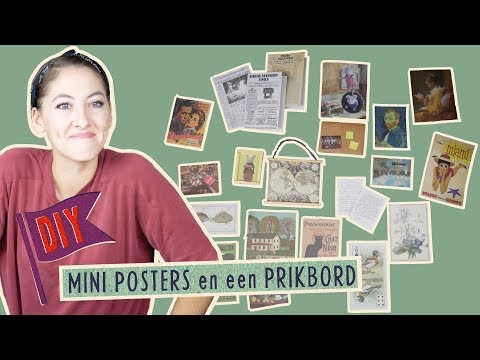
Nothing makes a wall feel more homely than a little painting in a frame. You can paint your own miniature artworks or cut small images from magazines. Karina makes simple frames from thin cardboard strips or matchsticks. For the detailed guide: Miniature Paintings and Picture Frames and Another Way to Make Tiny Paintings.
Step 4: Add Plants and Greenery
A small potted plant on a windowsill or a trailing vine on a shelf instantly brings life to a room. Karina makes plants from twisted paper, painted green and placed in a tiny pot made from a bead or a rolled piece of cardboard. For step-by-step instructions: Miniature Paper Plants.
Step 5: Make Tiny Books
Fill those bookshelves you built in Part 3! Tiny books are surprisingly easy to make from folded paper with a coloured cardboard cover. Stack them on shelves, pile them on a desk, or leave one open on a bedside table. See: Making Miniature Books.
Step 6: Add Lamps and Lighting Props
A paper lamp on a desk or a tiny lampshade hanging from the ceiling adds warmth and atmosphere. Karina shows quick techniques for making simple lamps from paper and beads. For more detail: Miniature Lamps from Paper and Tiny Lamps from Recycled Materials.
Step 7: Scatter the Small Props
This is where the magic really happens. Scatter a few tiny boxes on a shelf (Tiny Boxes from Paper), place a jug on the kitchen counter (Tiny Jugs and Pitchers from Paper), add a miniature waste bin in the corner (Miniature Waste Bin and Trash Bag). These small touches make people look closer and discover new things every time.
What's Next?
Your rooms are looking incredible — decorated, detailed, and full of personality. In Part 5, Karina tackles the finishing touches: adding windows and doors, exploring lighting ideas, and making everything look polished and complete.






Comments
Be the first to comment!