
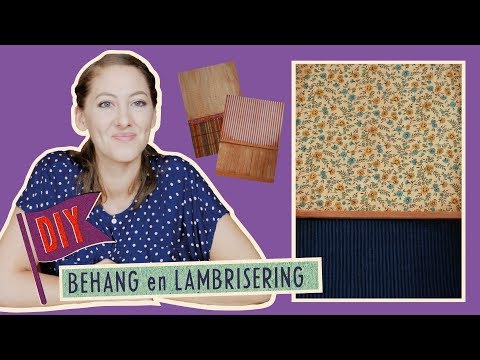
You've wallpapered your walls and laid your floor, and it looks great — but something feels slightly unfinished. That's where borders come in. Just like in a real house, a thin baseboard along the bottom of the wall (and maybe a border along the top) ties everything together and makes the room look complete.
The best part? Borders are also the world's most useful cover-up. Any gaps where the wall meets the floor, any slightly wonky wallpaper edges — a neat little strip of paper or cardboard hides them all. It's the miniature builder's best-kept secret.
Step by Step
Step 1: Measure Your Borders
Measure the length of each wall where you want to add a border. For baseboards (the strip at the bottom of the wall), you'll need strips that run the full width of each wall. For ceiling borders, do the same along the top. Write down the measurements so you don't have to keep re-measuring.
Step 2: Cut Your Strips
Cut thin strips of cardboard to the lengths you measured. For baseboards, about 5-8mm tall works nicely at mouse scale. Ceiling borders can be a bit thinner. Try to keep the width consistent — a ruler is your friend here. If you don't have thin cardboard, you can layer a few strips of thick paper instead.
Step 3: Cover with Paper or Paint
Wrap your cardboard strips in a strip of coloured paper or paint them. White is a classic baseboard colour, but you could match them to the wall or make them a contrasting shade. If you're covering them in paper, use a glue stick and wrap the paper around the front and edges, folding the excess to the back.
Step 4: Glue in Place
Run a thin line of glue along the back of each strip and press it firmly into position along the base of the wall. Hold it for a few seconds until the glue grabs. Work your way around the room, one wall at a time. The strip should sit right where the wall meets the floor, covering that join.
Step 5: Handle the Corners
Corners can be a little tricky. The neatest approach is to cut the ends of your strips at a 45-degree angle so they meet in a mitre joint — but honestly, just butting them up against each other works fine too. If there's a tiny gap in the corner, a dab of paint or a small extra piece of paper will hide it perfectly.







Comments
Be the first to comment!